At the Fall Line: How the Savannah River Decided Where Augusta Would Be
Augusta sits where Georgia's Piedmont drops to the Coastal Plain — the fall line — and that single piece of geology explains the rapids, the canal, the mills and the city itself.
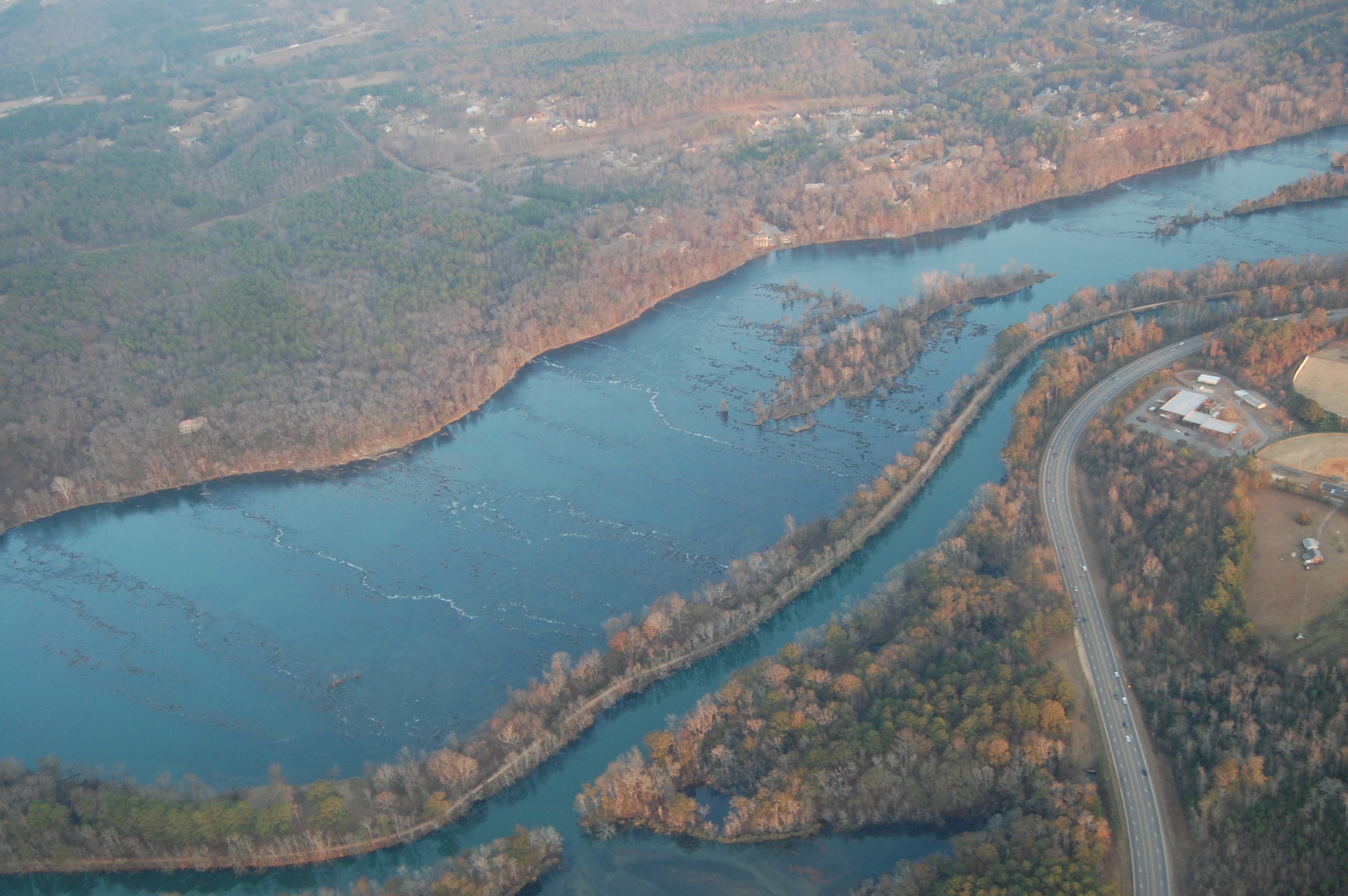
Every Georgia city has a reason for its location, and Augusta's is written in rock. The fall line runs across Georgia where the hard rock of the Piedmont meets the softer sediments of the Coastal Plain, and rivers crossing it drop through rapids. At Augusta, the Savannah River makes that drop — and a trading town grew where boats could go no farther.
That geography stacked advantage on advantage. River trade came up from Savannah and stopped at the rapids. The Augusta Canal later turned the same drop into water power for mills. Railroads and highways followed the corridor the river had chosen, and the modern metro — Augusta, Martinez, Evans, Grovetown and North Augusta across the river — still spreads along it.
The fall line is a Georgia-wide story, not just an Augusta one. Columbus sits on the same line on the Chattahoochee River, and Macon on the Ocmulgee — Georgia's great interior cities form a chain along the geology, each one a place where water power, trade and transport met.
You can still read the line in Augusta today: in the shoals above the canal headgates, in the river's change of character through town, and in Phinizy Swamp and the wetlands downstream where the Coastal Plain takes over.
For Georgians, the fall line is the state's hidden map key. Learn it once, and the placement of half the cities in Georgia — and much of the state's industrial history — suddenly looks inevitable.