The Augusta Canal Still Teaches the City How It Was Built
The Augusta Canal National Heritage Area pairs a working piece of 19th-century engineering with the towpath, boat tours and mill buildings that explain how Augusta became a manufacturing city.
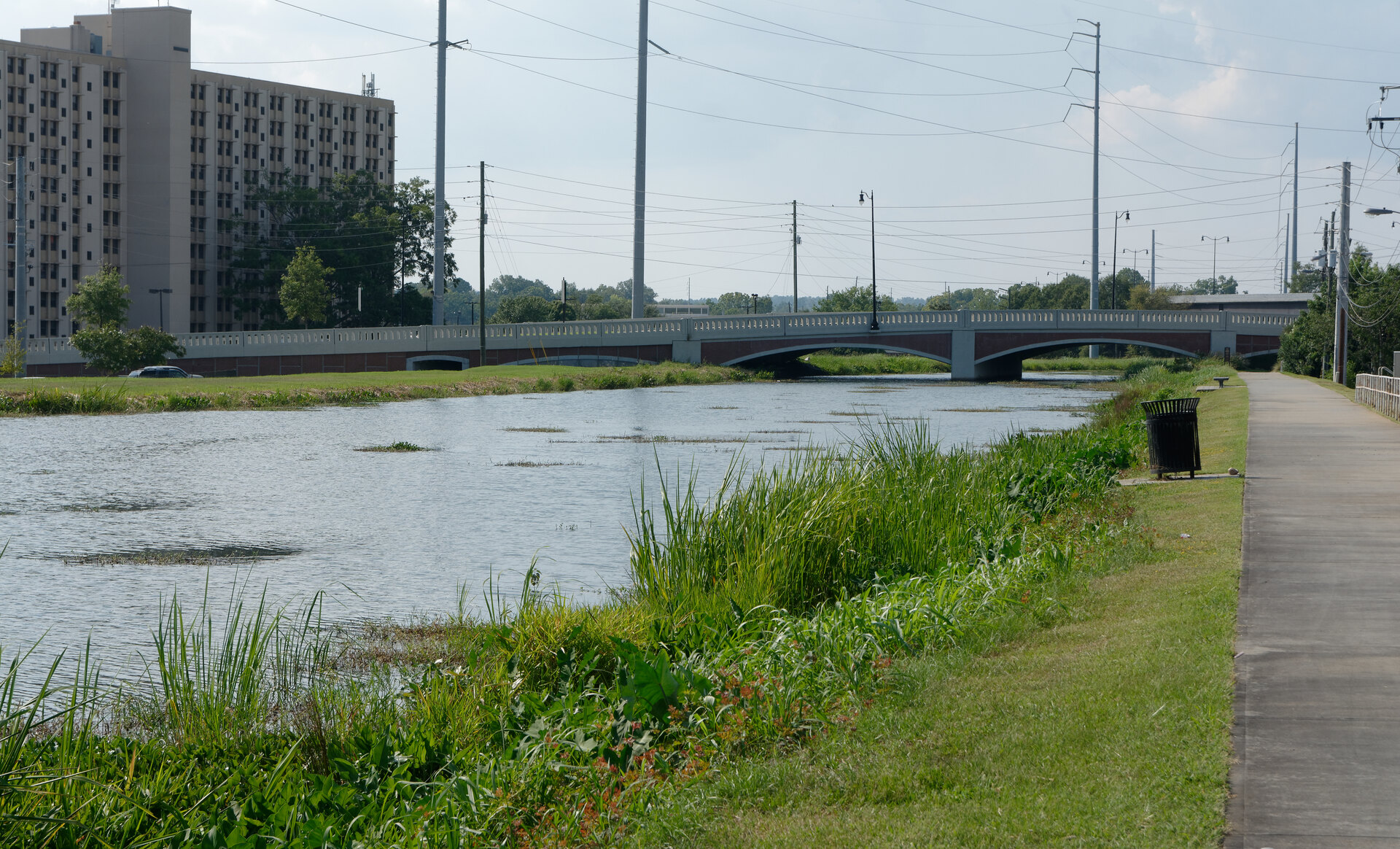
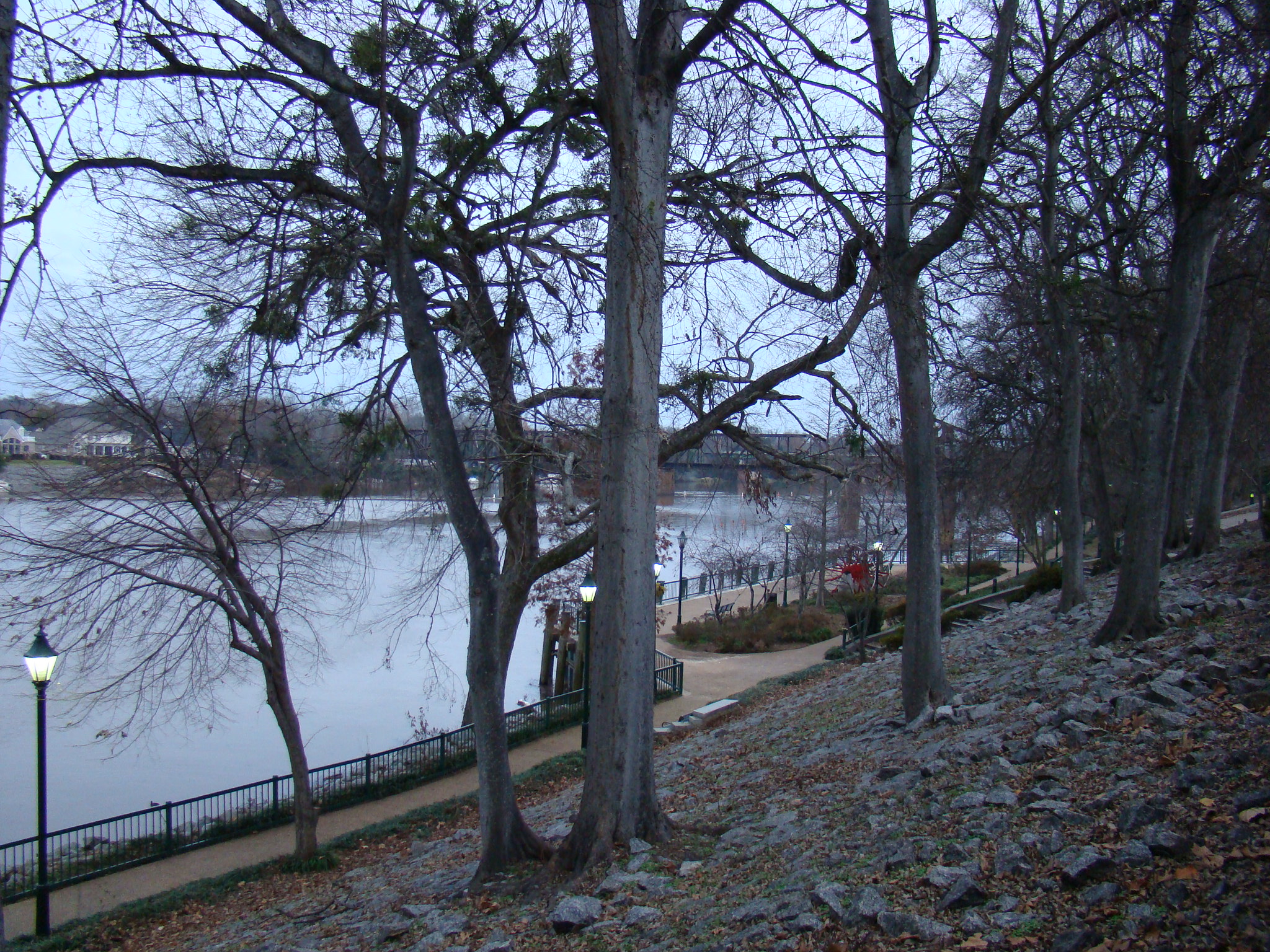
Long before Augusta was known around the world for golf, it was known for water power. The Augusta Canal, dug in the 1840s at the fall line of the Savannah River, turned the river's drop into energy for textile mills and factories — and the canal corridor is now preserved as the Augusta Canal National Heritage Area.
The canal's story is told at the Augusta Canal Discovery Center inside Enterprise Mill, one of the great mill buildings that still line the waterway. Exhibits trace how the canal was built, how it powered the city's industrial growth, and how the mills shaped neighborhoods, jobs and daily life in Augusta for generations.
Outdoors, the towpath that once served mule teams hauling boats now serves walkers, runners and cyclists. The path runs between downtown and the canal's headgates near the Savannah River rapids, passing King Mill and Sibley Mill along the way — brick landmarks that remain among the most recognizable industrial buildings in the South.
Petersburg boat tours depart from the Enterprise Mill area and carry passengers along the canal the slow way, the same corridor that once moved cotton and finished cloth. It is one of the easiest ways for a first-time visitor — or a lifelong Augustan — to see the city's geography line up: river, canal, mills and downtown in a single view.
The heritage area also anchors a practical point about Augusta's identity. The Masters brings the world here each spring, but the canal is the reason a city grew at this bend of the river at all. Preserving it keeps the working history of Augusta visible, not just its famous fairways.